Boston Investment Zones
On Wednesday, March 18, Councilor Brian Worrell formally introduced the initial phase of the Boston Investment Zone (BIZ) ordinance—formerly designated as Special Protection Zone (SPZ) legislation—to the Boston City Council. The proposal establishes a framework aimed at mitigating displacement in high-risk neighborhoods through targeted development standards and reinvestment mechanisms.
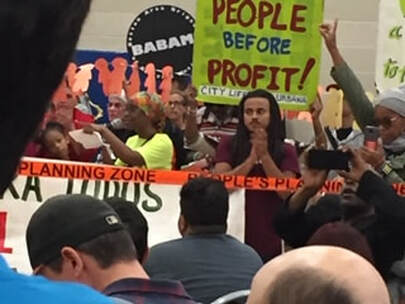
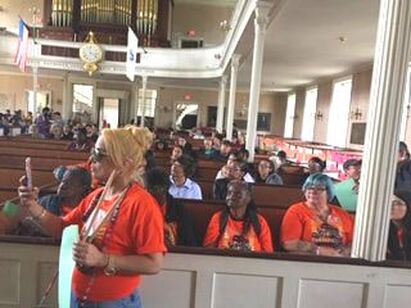
The "Boston Investment Zone" proposal introduced by Councilor Worrell is the legislative culmination of over a decade of community-led advocacy. Long before its formal introduction, the concept of Special Protection Zones (SPZ) was developed by grassroots organizations and Community Development Corporations (CDC’s) in Dorchester and Mattapan as a radical alternative to traditional, top-down urban planning.
The rebranding from "Special Protection Zone" to "Boston Investment Zone" signals a strategic shift toward a growth-oriented narrative, emphasizing that anti-displacement measures and economic investment are complementary, rather than reactive, policy goals.
Legislative Status and Co-Sponsorship
While the ordinance was not scheduled for a formal vote during the March 18, 2026 session, it achieved significant procedural momentum. Ten of the thirteen City Councilors signed on as co-sponsors upon introduction. Under standard municipal legislative patterns, this supermajority suggests a high probability of passage when the bill is called for a final vote, barring significant amendments during the committee hearing process.
The BIZ legislation is designed to address specific pillars of neighborhood stability, including anti-displacement measures, the creation of upward economic mobility, and environmental and transit infrastructure that support improved connectivity and public health outcomes.: This first phase introduces the process of designating the areas in the city with the highest rates and risks of displacement as Special Protection Zones, and connects them with a mechanism called District Improvement Financing (DIF) to capture and reinvest localized tax revenues directly back into these designated zones. The reinvestments would then be used to address the needs of residents who live in these areas, primarily across the three main buckets of housing access and affordability, quality jobs and economic opportunity, and environmental and transportation sustainability and resiliency.
Future filings will focus on integrating economic empowerment programs and labor pipelines within the BIZ framework to ensure residents benefit from local economic growth, and that growth responds to the needs of residents in these neighborhoods.
The "Boston Investment Zone" proposal introduced by Councilor Worrell is the legislative culmination of over a decade of community-led advocacy. Long before its formal introduction, the concept of Special Protection Zones (SPZ) was developed by grassroots organizations and Community Development Corporations (CDC’s) in Dorchester and Mattapan as a radical alternative to traditional, top-down urban planning.
The rebranding from "Special Protection Zone" to "Boston Investment Zone" signals a strategic shift toward a growth-oriented narrative, emphasizing that anti-displacement measures and economic investment are complementary, rather than reactive, policy goals.
Legislative Status and Co-Sponsorship
While the ordinance was not scheduled for a formal vote during the March 18, 2026 session, it achieved significant procedural momentum. Ten of the thirteen City Councilors signed on as co-sponsors upon introduction. Under standard municipal legislative patterns, this supermajority suggests a high probability of passage when the bill is called for a final vote, barring significant amendments during the committee hearing process.
The BIZ legislation is designed to address specific pillars of neighborhood stability, including anti-displacement measures, the creation of upward economic mobility, and environmental and transit infrastructure that support improved connectivity and public health outcomes.: This first phase introduces the process of designating the areas in the city with the highest rates and risks of displacement as Special Protection Zones, and connects them with a mechanism called District Improvement Financing (DIF) to capture and reinvest localized tax revenues directly back into these designated zones. The reinvestments would then be used to address the needs of residents who live in these areas, primarily across the three main buckets of housing access and affordability, quality jobs and economic opportunity, and environmental and transportation sustainability and resiliency.
Future filings will focus on integrating economic empowerment programs and labor pipelines within the BIZ framework to ensure residents benefit from local economic growth, and that growth responds to the needs of residents in these neighborhoods.
Background
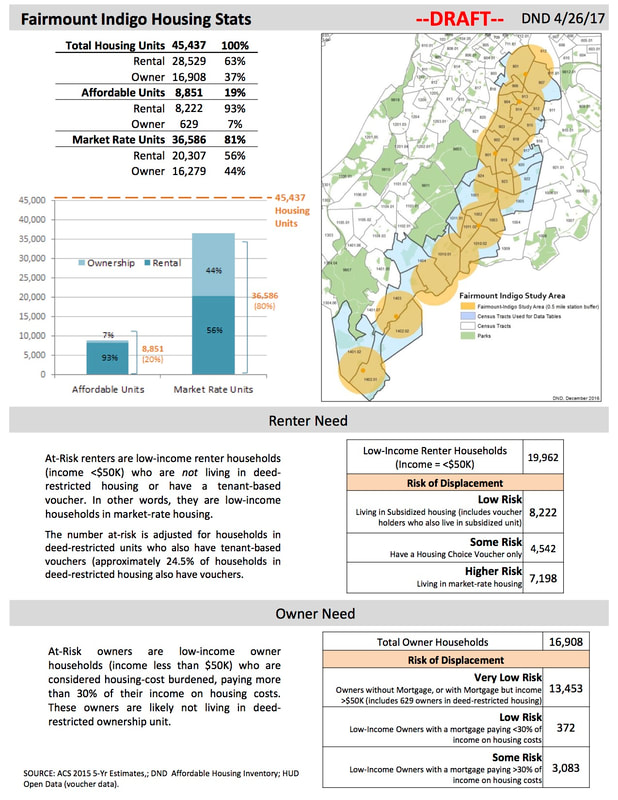
When our community fight won the opening of Fairmount Corridor stations, we knew that gentrification and displacement were on their way, too. Action for Equity is leading the fight for a new zoning overlay district for Special Protection Zones—to be piloted in the Fairmount Corridor.
Background on Anti-Displacement Zones and Special Protection Zones from here and other cities (2019).
Most recent draft of Article 91 Transit Oriented Development Overlay District for Special Protection Zones (August 2019).
Read the Special Protection Zone Framework for a Conversation (2014) provided to the City of Boston.